Cellulite Treatment

Aveli

Long-Lasting Cellulite Reduction

Aveli

Quick Summary

Treatment time

1 hour

Anaesthetic

Local

Recovery

1 week

Pricing

Message for a Quote

Target cellulite at its source with Aveli® with Dr. Ali Soueid

a minimally invasive treatment designed to release the fibrous bands responsible for cellulite dimples, helping create smoother-looking skin.

Board Certified

Dr Ali Soueid is a UK Certified & Trained Plastic Surgeon

Our Standards

We only use the best safest techniques and best material on the market

Our Outcomes

We use evidence based practices to improve outcomes.

What is cellulite & Aveli

Cellulite is an extremely common cosmetic concern, affecting women of different ages, body shapes and fitness levels. Characterised by dimples, indentations and an uneven, orange-peel appearance of the skin, cellulite most frequently develops on the buttocks and thighs. Despite maintaining a healthy lifestyle, regular exercise and a balanced diet, many women find that cellulite remains difficult to improve.

Advanced Body Contouring & Cellulite Treatments | Jersey Shore NJ

Aveli® represents an innovative approach to cellulite treatment, targeting one of the underlying structural causes of cellulite rather than simply treating the skin’s surface. Unlike traditional cellulite treatments that rely on massage, heat, radiofrequency or temporary skin tightening, Aveli® is a minimally invasive procedure designed to identify and release the fibrous connective tissue bands responsible for specific cellulite dimples. By releasing these bands, the treatment aims to improve skin smoothness and reduce visible indentations.

Whether you are concerned about cellulite on your buttocks or thighs, or have struggled with persistent dimpling despite exercise and other treatments, Aveli® may offer a targeted solution.

了解脂肪水肿、淋巴水肿与脂肪团的关键区别

What Causes Cellulite?

Cellulite is a common cosmetic condition that causes the skin to develop a dimpled, uneven or orange-peel appearance, particularly around the buttocks and thighs. Although often associated with excess body fat, cellulite is not simply a fat problem. It is primarily related to the structural relationship between the skin, underlying fatty tissue and fibrous connective tissue bands.

Cellulite affects approximately 80–90% of women after puberty, including those who are slim, physically active and maintain a healthy lifestyle. Understanding its underlying causes is essential for selecting an effective treatment.

1. Fibrous Septa – The Main Structural Cause of Cellulite

Beneath the skin lies a network of connective tissue bands called fibrous septa. These bands connect the deeper tissues to the skin and help maintain its structure.

In areas affected by cellulite, certain septa become responsible for pulling the skin downwards, while the surrounding fatty tissue creates outward pressure. This combination produces the characteristic depressions and uneven contours associated with cellulite.

These structural changes explain why cellulite can remain visible despite weight loss, exercise or improvements in muscle tone.

Aveli® specifically targets these fibrous bands, allowing their controlled release to reduce the skin depressions they create.

2. Hormonal Influences and Genetics

Hormones, particularly oestrogen, are believed to influence the development of cellulite by affecting fat distribution, connective tissue structure and skin characteristics.

Genetics also play an important role. Some women naturally have connective tissue arrangements, skin thickness or fat distribution patterns that make them more susceptible to cellulite.

This explains why cellulite may develop at a young age, affect several members of the same family or persist despite a healthy lifestyle.

3. Skin Ageing and Loss of Elasticity

As we age, the skin gradually loses collagen and elastin, two important proteins responsible for maintaining firmness and elasticity.

Thinner, less elastic skin may make underlying cellulite depressions more noticeable. Changes in skin quality can also contribute to a combination of dimpling, laxity and irregular skin texture.

Although Aveli® can address selected cellulite dimples caused by fibrous septa, it does not directly correct significant skin laxity. Some patients may therefore benefit from additional treatments aimed at improving skin quality.

4. Fat Distribution and Body Composition

Fat distribution can influence how visible cellulite appears, but cellulite is not exclusive to individuals who are overweight.

The interaction between superficial fat compartments and connective tissue bands contributes to the characteristic uneven skin surface.

Weight gain may make cellulite more noticeable in some patients, while weight loss does not necessarily eliminate existing dimples.

For this reason, liposuction and Aveli® address different concerns. Liposuction reduces localised fat deposits, whereas Aveli® targets the fibrous bands responsible for particular cellulite depressions.

5. Lifestyle and Other Contributing Factors

Although lifestyle habits do not directly explain every case of cellulite, several factors may influence its visibility:

  • Physical inactivity: Reduced muscle tone may make uneven body contours more noticeable.

  • Weight fluctuations: Repeated changes in weight can affect fat distribution and skin elasticity.

  • Smoking: Smoking is associated with impaired collagen production and reduced skin quality.

  • Poor nutrition: An unbalanced diet may contribute to changes in body composition and overall skin health.

  • Pregnancy and hormonal changes: Changes in hormones, fat distribution and skin stretching may influence cellulite appearance.

Importantly, cellulite is not caused by poor hygiene, and its presence does not indicate that a person is unhealthy.

Why Does Cellulite Persist Despite Exercise and Weight Loss?

Many women find that cellulite remains visible even after achieving their ideal weight or following a consistent exercise programme.

This is because exercise and weight loss do not directly release the fibrous connective tissue bands responsible for pulling the skin downwards.

While improving muscle tone and maintaining a stable weight can enhance overall body contours, persistent structural cellulite dimples may require a more targeted approach.

Aveli® cellulite treatment in Doha, Qatar, offers an option for appropriately selected patients who wish to address these specific structural depressions.

During a personalised consultation, Dr. Ali Soueid can assess whether your cellulite is primarily caused by fibrous septa, skin laxity, fat distribution or a combination of factors, helping determine the most suitable treatment approach.

 What Is Aveli®?

Aveli® is a minimally invasive, FDA-cleared medical device designed to treat cellulite dimples in the buttocks and thighs of adult women.

Cellulite develops partly because of fibrous connective tissue bands, known as septa, that extend between the skin and deeper tissues. Some of these bands pull the skin downwards, creating the characteristic depressions and dimples associated with cellulite.

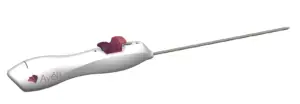
Aveli® uses a specialised handheld device inserted beneath the skin through small entry points. The device allows the treating clinician to identify and precisely release the fibrous bands contributing to individual cellulite dimples.

By releasing the tension created by these bands, the overlying skin can become smoother, reducing the appearance of the targeted dimples.

Aveli® Treats the Structural Cause of Cellulite

Many traditional cellulite treatments focus on improving circulation, stimulating collagen production or temporarily tightening the skin. Although these approaches may improve skin texture in selected patients, they do not necessarily release the fibrous bands responsible for persistent cellulite dimples.

Aveli® takes a different approach by directly targeting these connective tissue structures.

The procedure is designed to:

  • Identify the fibrous bands contributing to visible cellulite dimples.

  • Release the bands responsible for pulling the skin downwards.

  • Reduce the depth and visibility of selected cellulite depressions.

  • Improve the overall smoothness of the treated skin.

  • Provide improvements that may persist over time, without requiring routine maintenance sessions.

Clinical studies have reported sustained improvements through 12 months following a single treatment, although individual outcomes vary and longer-term durability is not fully established.

A Targeted Treatment Rather Than a Weight-Loss Procedure

An important advantage of Aveli® is its targeted approach to cellulite dimples. However, it is essential to understand that Aveli® is not a weight-loss treatment, liposuction procedure or general skin-tightening treatment.

It is most suitable for patients whose visible cellulite is primarily associated with fibrous septa. Patients with significant skin laxity, excess fat or more generalised uneven skin texture may benefit from a different or complementary treatment approach.

During your consultation, Dr. Ali Soueid will assess your skin quality, cellulite distribution, body contours and treatment expectations to determine whether Aveli® is appropriate for your individual concerns.

The aim is to achieve a smoother, more natural-looking appearance while preserving the normal contours of the buttocks and thighs.

Grades of

Cellulite

Grade 1- Mild

subtle skin irregularities that may only become apparent when the skin is pinched, compressed or certain muscles are contracted. The skin generally appears smooth when standing or lying down, with little or no visible dimpling at rest.

Grade 2- Moderate

produces visible dimples and depressions, particularly when standing. These irregularities may become less noticeable when lying down. The depressions are often associated with fibrous septa pulling the skin downwards.

Grade 3- Severe

numerous visible depressions, deeper dimples and pronounced irregularities in the skin surface. The changes may remain visible in both standing and lying positions and can coexist with skin laxity or uneven fat distribution.

Women with Visible, Persistent Cellulite Dimples

Aveli® is particularly suited to women who have distinct cellulite depressions on the buttocks or thighs that remain visible despite maintaining a healthy lifestyle.

Women Seeking Targeted, Long-Lasting Cellulite Improvement

Aveli® may also be suitable for women who have previously tried cellulite creams, massage, radiofrequency treatments or other non-invasive procedures without achieving their desired improvement.These treatments may offer benefits for skin texture or firmness, but they do not necessarily release the fibrous bands responsible for persistent cellulite dimples.

Women in Good General Health with Realistic Expectations

As with any minimally invasive procedure, your overall health and medical history are important considerations when determining suitability for Aveli®.

Who is a good candidate?

Aveli® is an advanced, minimally invasive treatment designed for women who wish to improve the appearance of cellulite dimples on the buttocks and thighs. However, not all types of cellulite respond equally to treatment, and careful patient selection is essential for achieving safe, natural-looking and long-lasting improvements.

During your consultation for Aveli® cellulite treatment, Dr. Ali Soueid will assess your skin quality, cellulite distribution, body contours, medical history and aesthetic goals to determine whether this treatment is appropriate for you.

Treatment Guide

Per Grade

Grade 1

Aveli® is generally not necessary for very mild cellulite without clearly identifiable dimples. Skin quality treatments or observation may be more appropriate.

Grade 2

Patients with distinct, well-defined cellulite dimples may be suitable candidates for Aveli®, provided the depressions are caused by fibrous septa.

Grade 3

Aveli® may improve individual dimples caused by fibrous septa. However, patients with significant skin laxity or diffuse textural irregularities may require additional treatments.

Steps Towards Achieving Your Goals

In Three Easy Steps

1. Consultation

A Consultation helps you give your desires to us and helps us take a thorough history, do an examination and order investigations.

2. Procedure

The day of the procedure is a big day for the patient and we take every measure to make sure your are comfortable and safe.

3. Recovery

We will support in this essential part of your journey to make it as smooth as possible.

Preparation & Aftercare

Follow these instruction to prepare for your procedure and to have a smooth post-operative recovery.

Pre-Op

Before undergoing treatment — whether injection or surgery — your surgeon will examine your hand and may request blood tests or review your medications. It’s important to discuss any underlying health issues like diabetes or thyroid disease, as these can affect healing.

What to Avoid

Avoid taking anti-inflammatory medications (like ibuprofen) or blood-thinners (such as aspirin) in the week leading up to surgery unless advised otherwise. Refrain from smoking and excessive alcohol, as both can impair circulation and slow recovery.

Post-Op

Following the procedure, you may notice swelling, bruising, tenderness or temporary changes in skin texture.These are expected effects of the treatment and generally improve during recovery. Most patients can resume light daily activities relatively quickly, although strenuous exercise and activities that aggravate the treated areas may need to be avoided temporarily. You will receive individualised aftercare instructions and advice about when to return for follow-up.

Recovery

During the first two days following treatment, it is normal to experience some discomfort. 

Common symptoms include:

  • Mild to moderate tenderness or aching in the treated areas.

  • Bruising around the sites of fibrous septa release.

  • Localised swelling or a feeling of fullness beneath the skin.

  • Small amounts of spotting from the entry sites.

  • Temporary numbness or altered skin sensation.

  • Discomfort when sitting or applying pressure to the treated areas.

Recommended aftercare:

  • Rest as needed, but maintain gentle movement and short walks.

  • Keep dressings clean and dry according to the instructions provided.

  • Wear loose, comfortable clothing to minimise friction.

  • Take prescribed or recommended pain relief as directed.

  • Avoid strenuous exercise, heavy lifting.

  • Avoid massaging or applying excessive pressure to the treated areas. Cold compresses may be helpful.  

During the first week, bruising may become more noticeable before gradually beginning to fade.

Swelling and tenderness should progressively improve, although some areas may remain sensitive to touch.

Patients may notice temporary firmness, small lumps or unevenness beneath the skin as the tissues recover.

These changes do not necessarily indicate a complication, but persistent or worsening symptoms should be assessed.

Recommended aftercare:

  • Continue gentle walking and normal light activities as tolerated.

  • Avoid high-impact exercise and activities that aggravate discomfort.

  • Follow the recommended dressing and wound-care instructions.

  • Avoid hot tubs, saunas and swimming until the entry sites have healed.

  • Do not undergo massage or additional cosmetic treatments over the treated areas without medical approval.

  • Contact the clinic if redness, swelling or pain increases rather than improves.

Many patients can return to desk-based work and routine activities within a few days, depending on their comfort and the extent of treatment.

By the second and third weeks, much of the initial swelling and tenderness will usually have improved.

Bruising may still be visible.

Some residual firmness or altered sensation may persist as the underlying tissues continue to heal.

During this stage:

  • Most normal daily activities can generally be resumed.

  • Exercise may be gradually reintroduced as tolerated.

  • Tight clothing may become more comfortable.

  • The appearance of treated cellulite dimples may become easier to assess as swelling subsides.

Although some patients may notice an improvement, the final outcome should not be judged too early.

By approximately two to three months, most of the initial recovery changes will usually have resolved.

This is often a useful stage for evaluating the cosmetic outcome.

The treated areas may demonstrate:

  • Reduced visibility of targeted cellulite dimples.

  • Improved skin smoothness.

  • More uniform-looking contours of the buttocks and thighs.

  • Reduced depth of individual depressions.

  • Greater satisfaction with the appearance of the treated areas.

Any residual dimples, skin laxity or other textural concerns can also be reviewed.

What to expect

During Your Aveli Cellulite Treatment

1. Initial Assessment and Cellulite Marking

Before the procedure begins, the areas affected by cellulite are carefully examined.

You will usually be asked to stand while the cellulite dimples are assessed, as many depressions become more visible in this position.

The individual dimples selected for treatment are marked on the skin to guide accurate placement of the Aveli® device.

During this stage, Dr. Soueid will:

  • Identify visible cellulite dimples on the buttocks and thighs.

  • Assess the depth, distribution and pattern of the depressions.

  • Distinguish between cellulite dimples, skin laxity and generalised surface irregularities.

  • Confirm the planned treatment areas.

  • Review the expected outcome and any remaining questions.

Pre-treatment photographs may also be taken with your consent to document the areas and assist with evaluating your results.

2. Local Anaesthesia and Patient Comfort

Aveli® is generally performed under local anaesthesia, which numbs the treatment area while allowing you to remain awake.

The skin is cleaned with an appropriate antiseptic solution, and local anaesthetic is administered to minimise discomfort during the procedure.

You may experience a brief stinging or burning sensation during the anaesthetic injections.

Once the area is numb, you may still feel pressure, movement or pulling sensations, but significant pain should not be expected.

Additional anaesthetic can be administered when clinically appropriate if discomfort occurs.

Sedation is not routinely necessary, although anaesthetic arrangements may vary depending on the patient, treatment plan and clinical setting.

3. Introducing the Aveli® Device Beneath the Skin

Once adequate anaesthesia has been achieved, a small entry point is created in the skin.

The specialised Aveli® device is then carefully introduced into the subcutaneous tissue beneath the selected cellulite dimples.

The instrument is designed to access the fibrous septa that connect the skin to deeper tissues.

Because the procedure is performed through small entry points, it does not require the extensive incisions associated with traditional body-contouring surgery.

The number and location of entry points depend on the distribution of cellulite and the treatment plan.

4. Identifying the Fibrous Bands Responsible for Each Dimple

One of the distinguishing features of Aveli® is its ability to mechanically engage and assess individual fibrous septa before releasing them.

The device is positioned beneath a selected cellulite depression, where the operator identifies the connective tissue bands contributing to the downward pull on the skin.

This targeted approach helps distinguish the bands responsible for visible dimpling from surrounding tissue structures.

Not every fibrous band needs to be released, and not every skin irregularity can be corrected through septa release.

Careful assessment is therefore essential to avoid unnecessary tissue disruption.

5. Releasing the Fibrous Septa

Once a responsible fibrous band has been identified, the Aveli® device is used to release it in a controlled manner.

Releasing the band reduces the mechanical tension pulling the overlying skin downwards, allowing the treated depression to become less pronounced.

Several fibrous bands may contribute to a single cellulite dimple, and multiple dimples can be treated during the same procedure.

The process is repeated across the selected treatment areas according to the individual treatment plan.

The objective is to reduce visible cellulite depressions while preserving the natural contours of the buttocks and thighs.

6. Assessing the Treated Areas

Following release of the selected fibrous septa, the treated areas are reassessed.

The operator evaluates whether the identified bands have been adequately released and whether additional septa require treatment.

Although some improvement may be visible immediately, swelling and bruising can temporarily affect the appearance of the skin.

The final cosmetic outcome is assessed after the tissues have had sufficient time to recover.

7. Completing the Procedure

Once the planned treatment has been completed, the Aveli® device is removed and the small entry sites are cleaned and dressed. Sutures are not routinely required for the small entry points, although this depends on the circumstances of the procedure. Most patients can return home shortly after treatment once they are comfortable and clinically fit for discharge.


Products

We Use

Aveli® cellulite treatment in Doha, Qatar, targeting cellulite dimples on the buttocks and thighs with Dr. Ali Soueid.

See

Gallery

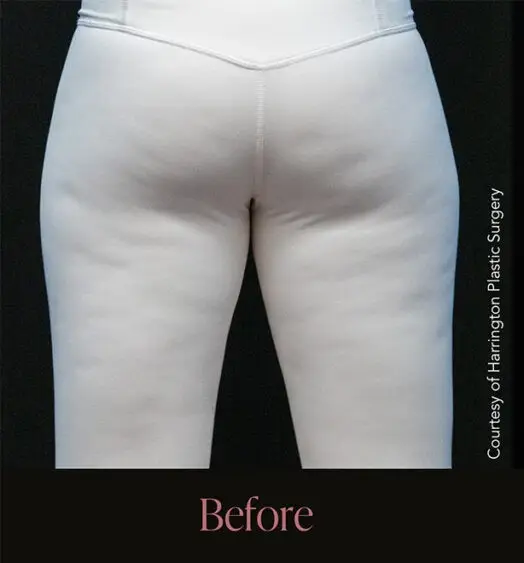
For Before & After

After Aveli® cellulite treatment showing smoother-looking skin and reduced cellulite dimples on the buttocks and thighs, following treatment by Dr. Ali Soueid in Doha, Qatar.

This treatment is available IN THESE

LOCATIONS

Our Values

Aesthetics You Trust

Trust

Aesthetics You Trust is our motto. We will treat you with respect always and provide you with the best care we can.

Do No Harm

The first rule of medical ethics is to never knowingly do something to a patient that could harm them.

Evidence Based

We only offer treatments that are backed by evidence and based on our experience. We do not follow trends.

Be Your Best

We continuously educate ourselves, attend conferences and courses to stay up to date and use the best products.

FAQ

Some patients may notice an improvement in their cellulite dimples shortly after the procedure, as the fibrous bands responsible for pulling the skin downwards have been released.

However, the initial appearance can be affected by swelling, bruising and temporary changes in the underlying tissues.

As these effects gradually resolve, the improvement in skin smoothness may become more apparent.

A general timeline includes:

  • Immediately after treatment: Some dimples may appear less pronounced, although swelling can distort the appearance.

  • First 1–2 weeks: Bruising and swelling may temporarily obscure the results.

  • Weeks 3–6: As the tissues recover, improvements in skin contour may become easier to appreciate.

  • Months 2–3: A more reliable assessment of the cosmetic outcome can usually be made.

  • Beyond 3 months: The appearance may continue to evolve as residual swelling and tissue changes settle.

The exact timing varies depending on the extent of treatment, skin quality and individual healing.

Aveli® is designed to provide long-lasting improvement by mechanically releasing the fibrous bands responsible for selected cellulite depressions.
In clinical investigations, improvements have been demonstrated through 12 months after treatment.
This is significant because many non-invasive cellulite treatments require repeated sessions to maintain their cosmetic effect.
However, 12-month clinical follow-up does not mean that every patient will maintain the same degree of improvement indefinitely.
Longer-term durability beyond the available clinical evidence is less certain, and ageing, weight changes, skin laxity and the development of new cellulite dimples may affect the appearance over time.

Although the fibrous bands treated during Aveli® are mechanically released, cellulite can remain or become more noticeable for several reasons.

These include:

  • Other fibrous septa that were not responsible for the original treated dimples.

  • Development of new visible cellulite depressions.

  • Progressive loss of skin elasticity with ageing.

  • Changes in superficial fat distribution.

  • Significant weight fluctuations.

  • Hormonal and anatomical changes affecting skin appearance.

Aveli® does not permanently prevent cellulite from developing elsewhere or eliminate all possible causes of uneven skin texture.

The aim is to achieve sustained improvement in the specific cellulite dimples selected for treatment.

The degree of improvement following Aveli® varies between patients.

Some women experience a noticeable reduction in the depth and visibility of treated cellulite dimples, while others may achieve more modest improvements.

Results depend on several factors, including:

  • Cellulite severity: The number, depth and distribution of dimples.

  • Underlying anatomy: The arrangement and tension of the fibrous septa.

  • Skin elasticity: Firmer skin may respond differently from skin with significant laxity.

  • Treatment selection: Whether the targeted irregularities are genuinely caused by fibrous septa.

  • Individual healing: Differences in bruising, swelling and tissue recovery.

  • Associated concerns: Excess fat, skin laxity or other surface irregularities that Aveli® does not directly treat.

Aveli® is not intended to create completely smooth, cellulite-free skin in every patient.

Instead, the objective is to reduce the appearance of selected cellulite dimples and improve the overall smoothness of the treated areas.

lly required.

Aveli® can improve the appearance of individual cellulite dimples, but it does not treat every cause of uneven skin texture.

Patients may continue to notice:

  • Fine skin irregularities.

  • Residual or untreated cellulite dimples.

  • Skin laxity or loose skin.

  • Stretch marks.

  • Localised fat deposits.

  • Changes in skin texture associated with ageing.

These concerns may require separate assessment and, where appropriate, different treatment approaches.

During your consultation, Dr. Ali Soueid will explain which areas are likely to respond to Aveli® and which may require alternative or complementary treatment.

Aveli® is generally designed as a single-session treatment, and routine maintenance sessions are not established as necessary.
However, some patients may have residual dimples or develop new areas of cellulite over time.
If additional treatment is being considered, the areas should be reassessed to determine whether the irregularities are caused by fibrous septa or other factors.
Further procedures should only be recommended when there is a clear clinical indication and a reasonable expectation of benefit..

Although there is no proven maintenance routine that guarantees the long-term preservation of Aveli® results, maintaining healthy skin and stable body contours may help support your overall appearance.

Recommended measures include:

  • Maintaining a relatively stable body weight.

  • Following a balanced diet.

  • Exercising regularly to support muscle tone and general fitness.

  • Avoiding smoking and nicotine exposure.

  • Protecting the skin from excessive ultraviolet exposure.

  • Following appropriate skincare practices.

  • Attending follow-up appointments when recommended.

It is important to understand that exercise, diet and skincare cannot directly prevent the formation of fibrous septa-related cellulite dimples.

Aveli® is a minimally invasive cellulite treatment designed to release the fibrous connective tissue bands responsible for visible cellulite dimples on the buttocks and thighs. Although the procedure is generally well tolerated, it involves introducing a specialised instrument beneath the skin and mechanically releasing connective tissue structures.

As with any minimally invasive surgical procedure, Aveli® carries potential risks, side effects and complications, which should be carefully considered before treatment.

Most reported side effects are temporary and include bruising, swelling, tenderness and discomfort. However, less common complications may occur, including infection, bleeding, altered skin sensation, contour irregularities and unsatisfactory cosmetic results.

At his plastic surgery practice in Doha, Qatar, Dr. Ali Soueid emphasises careful patient selection, appropriate procedural planning, informed consent and individualised aftercare to help minimise avoidable risks.

Common and Expected Side Effects

1. Bruising (Ecchymosis)

Bruising is one of the most common effects following Aveli® treatment. It occurs because small blood vessels within the subcutaneous tissues may be disrupted during the release of fibrous septa.

What to expect: Purple, blue or yellow discolouration over the treated buttocks or thighs. Bruising may become more noticeable during the first few days before gradually resolving over the following weeks.

How to minimise it: Inform Dr. Soueid about anticoagulant medications and supplements, avoid strenuous activity during early recovery and follow the recommended aftercare instructions.

2. Swelling (Oedema)

Temporary swelling occurs as part of the body’s normal inflammatory response to tissue manipulation.

What to expect: Mild to moderate fullness, puffiness or tightness in the treated areas. Swelling generally improves progressively, although some patients may experience prolonged localised swelling.

How to minimise it: Avoid activities that aggravate discomfort, follow any recommended compression instructions and allow adequate recovery time.

3. Pain, Tenderness and Discomfort

Patients may experience aching, soreness or tenderness after the local anaesthetic wears off.

What to expect: Discomfort when touching the treated areas, sitting or performing certain physical activities. Symptoms generally improve over the first several days.

How to minimise it: Take recommended pain relief, wear comfortable clothing and gradually resume normal activities as tolerated.

Severe or progressively worsening pain is not expected and requires medical assessment.

4. Temporary Firmness or Small Lumps

Localised firmness or palpable irregularities may develop as the tissues recover from treatment.

What to expect: Small areas of firmness, tenderness or unevenness beneath the skin. These may improve as swelling resolves and tissue healing progresses.

How to minimise it: Avoid aggressive massage or manipulation unless specifically recommended. Persistent, enlarging or painful lumps should be examined.

5. Temporary Changes in Skin Sensation

Small sensory nerve branches may be irritated during treatment.

What to expect: Temporary numbness, tingling, heightened sensitivity or altered sensation in the treated areas.

How to minimise it: Careful anatomical technique and avoiding unnecessary tissue disruption help reduce the risk. Persistent or worsening sensory changes should be assessed.

Less Common and Potentially Significant Complications

6. Haematoma (Collection of Blood)

A haematoma occurs when blood collects beneath the skin following injury to a blood vessel.

Warning signs: Increasing swelling, a painful expanding lump, significant bruising or worsening pressure within the treated area.

Risk reduction: Appropriate assessment of bleeding risks, careful technique and review of relevant medications.

An expanding haematoma requires prompt medical assessment and may occasionally require drainage.

7. Infection

Although the procedure is performed using sterile techniques, bacteria may enter through the skin entry sites.

Warning signs: Increasing redness, warmth, swelling, pain, pus, unpleasant discharge or fever.

Risk reduction: Appropriate skin preparation, sterile technique, careful wound care and avoidance of contaminated water until the entry sites have healed.

Infection may require antibiotics, drainage or further intervention.

8. Skin Contour Irregularities

Although Aveli® aims to improve cellulite dimples, uneven tissue release or individual healing differences may occasionally produce new or persistent surface irregularities.

What to expect: Asymmetry, shallow depressions, uneven contours or areas that appear different from the surrounding skin.

Risk reduction: Accurate identification of responsible septa, careful treatment planning and controlled tissue release.

Some irregularities improve as swelling resolves, while persistent changes may require further assessment.

9. Overcorrection or Excessive Tissue Release

Releasing connective tissue bands that do not contribute to visible cellulite may unnecessarily disrupt the supporting tissue architecture.

What to expect: Unwanted changes in contour, tissue irregularities or an appearance that differs from the intended result.

Risk reduction: Selective identification and release of the fibrous septa responsible for individual cellulite dimples.

Further correction may be difficult and is not always possible.

10. Under-Correction or Persistent Cellulite

Not all cellulite dimples can be completely corrected with Aveli®.

What to expect: Residual depressions, incomplete improvement or persistent uneven skin texture.

Risk reduction: Appropriate patient selection, realistic treatment planning and careful distinction between fibrous septa-related dimples and other causes of skin irregularity.

Additional treatment may be considered in selected cases, but complete correction cannot be guaranteed.

11. Scarring at the Entry Sites

Aveli® is performed through small skin entry points, which usually heal with minimal visible scarring.

However, any skin incision can result in a permanent scar.

What to expect: Small marks, changes in pigmentation or, rarely, raised or thickened scars.

Risk reduction: Careful entry-site placement, appropriate wound care and avoidance of unnecessary trauma during healing.

Patients with a history of hypertrophic or keloid scarring should inform their treating clinician.

12. Skin Discolouration and Pigmentation Changes

Bruising and inflammation may occasionally lead to temporary or persistent changes in skin pigmentation.

What to expect: Brownish discolouration following bruising, particularly in patients prone to post-inflammatory hyperpigmentation.

Risk reduction: Minimising tissue trauma, appropriate aftercare and avoiding unnecessary sun exposure during recovery.

Pigmentation changes may take several months to improve and can occasionally persist.

13. Seroma (Fluid Collection)

A seroma is a collection of fluid beneath the skin that can develop following tissue disruption.

Warning signs: A persistent or enlarging soft swelling, a fluctuant lump or localised discomfort.

Risk reduction: Careful procedural technique and appropriate post-treatment monitoring.

Some collections resolve spontaneously, while others may require investigation or drainage.

14. Prolonged Inflammation or Delayed Healing

Although most patients recover without significant difficulty, healing may be prolonged in some individuals.

What to expect: Persistent swelling, tenderness, redness or delayed closure of entry sites.

Risk reduction: Optimising general health, avoiding smoking, managing relevant medical conditions and following wound-care instructions.

Persistent inflammation should be assessed to exclude infection or another complication.

15. Injury to Surrounding Structures

The Aveli® device operates within the subcutaneous tissue, where small blood vessels, sensory nerves and other structures are present.

Unintended injury may cause bleeding, pain, altered sensation or tissue damage.

Risk reduction: Appropriate anatomical knowledge, correct treatment depth and controlled use of the device.

Significant injury is not expected but remains a potential procedural risk.

16. Skin Injury or Tissue Necrosis

Significant disruption of the local blood supply may, in rare circumstances, result in skin injury or tissue necrosis.

Warning signs: Severe or increasing pain, blistering, dark or unusually pale skin, or areas that fail to heal.

Risk reduction: Careful technique, preservation of tissue vascularity and prompt recognition of complications.

Suspected tissue ischaemia requires urgent medical assessment.

17. Allergic Reactions

Allergic reactions may occur in response to local anaesthetics, antiseptic solutions, dressings or other products used during treatment.

Warning signs: Localised rash, itching, redness or swelling. Severe reactions may cause breathing difficulty, widespread hives or circulatory collapse.

Risk reduction: Reviewing previous allergies and selecting appropriate products.

A severe allergic reaction is a medical emergency.

18. Local Anaesthetic Complications

Local anaesthesia is generally safe when appropriately administered, but complications can occur.

These include temporary discomfort at injection sites, bruising, vasovagal episodes and, very rarely, systemic local anaesthetic toxicity.

Warning signs of toxicity: Metallic taste, ringing in the ears, circumoral numbness, dizziness, confusion, seizures or cardiac disturbances.

Risk reduction: Appropriate dosing, careful injection technique, monitoring and access to emergency equipment.

19. Asymmetry Between Treated Areas

The buttocks and thighs are naturally asymmetrical, and cellulite dimples may differ in depth, number and distribution.

Even when treatment is carefully planned, both sides may not respond identically.

What to expect: Differences in skin smoothness or contour between the right and left sides.

Risk reduction: Careful pre-treatment assessment, photography and realistic discussion of achievable results.

Perfect symmetry cannot be guaranteed.

20. Unsatisfactory Cosmetic Outcome

Some patients may feel that the improvement achieved does not meet their expectations.

This may occur because of persistent cellulite, associated skin laxity, untreated dimples or individual differences in healing.

Risk reduction: Clear discussion of treatment limitations, appropriate candidate selection and realistic expectations before proceeding.

Aveli® is designed to improve selected cellulite dimples rather than completely eliminate cellulite or correct every type of skin irregularity.

Patient safety begins with appropriate assessment and careful treatment planning.

Dr. Ali Soueid’s approach to minimally invasive aesthetic procedures focuses on:

  • Careful patient selection: Identifying patients whose cellulite is primarily caused by fibrous septa.

  • Detailed medical assessment: Reviewing medications, allergies, previous procedures and relevant medical conditions.

  • Anatomical precision: Identifying the fibrous bands responsible for individual cellulite dimples.

  • Controlled tissue release: Avoiding unnecessary disruption of surrounding structures.

  • Sterile procedural technique: Reducing the risk of infection.

  • Realistic expectations: Explaining what Aveli® can and cannot achieve.

  • Individualised aftercare: Providing guidance on wound care, activity restrictions and recovery.

  • Appropriate follow-up: Monitoring healing and assessing the cosmetic outcome.

Although these measures help reduce avoidable risks, no procedure is entirely risk-free.

Treatment commonly takes approximately one hour, although the duration depends on the number and distribution of cellulite dimples being treated.
Additional time is required for assessment, photography, marking, anaesthesia and post-procedure instructions.

Start Your Journery

to feeling better