Why Silicone Is the Gold Standard for Scar Care
Silicone therapy is widely regarded as the first-line, evidence-based treatment for scar management. It is recommended by plastic surgeons, dermatologists, and international guidelines for preventing and treating hypertrophic and keloid scars.
Silicone works by creating a protective barrier over the scar that regulates hydration, reduces excessive collagen production, and improves scar maturation. Both silicone sheets and silicone gels are effective, but they are not interchangeable in every situation.
How Silicone Improves Scar Quality
Regardless of form, silicone helps scars by:
- Maintaining optimal hydration of the scar surface
- Reducing transepidermal water loss
- Modulating collagen production
- Decreasing redness, thickness, and itchiness
- Supporting orderly scar remodelling over time
The key difference between sheets and gels lies in application method, consistency of contact, and practicality.
What Are Silicone Sheets?
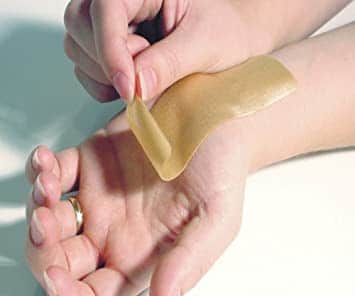
Silicone sheets are flexible, adhesive dressings placed directly over a healed scar. They are usually worn for several hours per day, often overnight.
Benefits of Silicone Sheets
Silicone sheets are particularly useful because:
- They provide constant, uniform silicone contact
- They exert mild pressure, which can help flatten raised scars
- They are reusable and durable
- They are especially effective for large, linear surgical scars
For these reasons, silicone sheets are often preferred in the early management of postoperative scars once the wound has fully healed.
Limitations of Silicone Sheets
Despite their effectiveness, silicone sheets may not suit everyone:
- They can be difficult to secure on curved or mobile areas
- They may be uncomfortable in hot, humid climates like Qatar
- Adhesion can be reduced with sweating
- They are less practical for visible areas during the day
What Is Silicone Gel?
Silicone gel is a topical product applied directly to the scar, forming a thin, invisible silicone layer once dry. It is typically applied once or twice daily.
Benefits of Silicone Gel
Silicone gel is often preferred because:
- It is discreet and invisible once dry
- It is easy to apply on the face, joints, and irregular surfaces
- It suits active lifestyles and warm climates
- It integrates well into daily skincare routines
This makes silicone gel particularly suitable for facial scars, small incisions, and long-term daytime use.
Limitations of Silicone Gel
Silicone gel also has some limitations:
- It requires consistent daily application
- The silicone contact time may be shorter than sheets if not reapplied
- It may be less effective alone for thick, raised scars if compliance is poor
Silicone Sheets vs Silicone Gel: Clinical Comparison
| Feature | Silicone Sheets | Silicone Gel |
|---|---|---|
| Form | Adhesive sheet | Topical gel |
| Contact time | Prolonged, continuous | Intermittent |
| Best for | Large, linear scars | Facial or small scars |
| Visibility | Visible | Invisible |
| Comfort in hot climate | Moderate | High |
| Ease of use | Moderate | High |
| Compliance | Variable | Generally higher |
Which Is Better? The Answer Depends on the Scar
There is no single “best” option for all scars.
Silicone sheets may be preferable when:
- Treating large surgical scars (e.g. abdominoplasty, breast surgery)
- Managing early hypertrophic scarring
- Overnight or home use is practical
Silicone gel may be preferable when:
- Treating facial or exposed scars
- Managing smaller or irregular scars
- Long-term daily use is needed
- Patient comfort and compliance are priorities
In many cases, the best results come from combining both, using silicone sheets at night and silicone gel during the day.
When to Start Silicone Therapy
Silicone should only be applied after the wound has fully healed, usually:
- Once sutures are removed
- When the skin surface is intact with no scabs or discharge
Early initiation, combined with consistent use for several months, produces the best outcomes.
How Long Should Silicone Be Used?
Most clinical studies support using silicone therapy for:
- At least 8–12 weeks
- Up to 6 months for high-risk scars
- Longer in patients prone to hypertrophic or keloid scarring
Consistency is more important than product type.
The Role of Silicone in a Comprehensive Scar Protocol
Silicone is most effective when combined with:
- Sun protection (SPF 50+)
- Scar massage once healed
- Pressure therapy in selected cases
- Laser or steroid treatment for resistant scars
A personalised scar management plan yields better outcomes than any single product alone.
Why Surgeon Guidance Matters
Not all scars behave the same way. Factors such as skin type, location, tension, and genetic predisposition influence scarring. Guidance from an experienced plastic surgeon ensures:
- Appropriate product selection
- Correct timing of application
- Early identification of problematic scars
Why Patients in Qatar Trust Dr Ali Soueid for Scar Care
Dr Ali Soueid is a UK-trained Consultant Plastic Surgeon with over 25 years of experience in surgical and post-surgical scar management. At Cosmetic Aesthetic Plastic Surgery in Qatar, scar care protocols are evidence-based and tailored to each patient’s procedure, skin type, and risk factors.
Final Thoughts
Silicone sheets and silicone gels are both highly effective tools for scar management. The better option depends on scar size, location, patient lifestyle, and compliance. In practice, combining both approaches often delivers the most consistent and natural scar outcomes.
Scar care is not about a single product, but about the right strategy applied at the right time.