
Why “Prevention” Matters More Than Waiting for Visible Thinning
Most hair loss is gradual. By the time thinning is obvious, a significant proportion of density has already been lost. A non-surgical prevention strategy aims to slow shedding, protect vulnerable follicles, and improve scalp conditions early, before more aggressive intervention is needed.
In Qatar, common triggers include genetic hair loss, stress, postpartum changes, nutrition gaps, thyroid and iron issues, and scalp inflammation worsened by heat, sweating, and styling practices.
The Key Difference Between Men and Women
Men most commonly experience androgenetic alopecia with a predictable pattern (temples and crown), strongly driven by sensitivity to DHT.
Women often present differently. Female pattern hair loss is usually diffuse thinning over the central scalp with preservation of the front hairline, and contributing factors such as iron deficiency, thyroid disease, PCOS, postpartum shedding, and chronic telogen effluvium are more common.
A successful prevention plan must be tailored to the cause.
Step 1: Confirm the Diagnosis Before Choosing Treatment
The biggest mistake in “hair loss prevention” is treating without confirming the type of hair loss.
A proper clinical assessment should consider:
- Pattern and timeline of shedding
- Scalp examination for inflammation, scaling, or scarring
- Family history
- Hormonal history in women (irregular periods, acne, hirsutism)
- Recent illness, stress, weight loss, medications
Blood tests are especially important in women and in men with diffuse shedding.
Step 2: Baseline Blood Tests
For women in particular, prevention should include checking correctable causes.
Common tests include:
- Full blood count and ferritin (iron stores)
- Thyroid function (TSH, free T4)
- Vitamin D
- Vitamin B12 and folate if dietary risk exists
- Zinc if clinically indicated
- Androgen profile if PCOS is suspected (testosterone, DHEAS, SHBG)
Correcting deficiencies does not “cure” genetic hair loss, but it removes barriers to regrowth and improves response to treatment.
Step 3: Proven First-Line Treatments That Actually Work
This section separates evidence-based options from those that are mainly marketing.
Minoxidil
Minoxidil remains the most studied topical treatment for genetic hair loss.
How it helps:
- Prolongs the growth phase of the hair cycle
- Increases hair shaft diameter
- Reduces shedding over time
Frequency:
- Typically once or twice daily depending on formulation and tolerance
- Consistency matters more than brand
Men:
- Often respond well, especially at early stages
Women:
- Often respond well for diffuse thinning, but scalp irritation can occur
What to expect:
- Improvement usually takes 3 to 6 months
- Early “shedding phase” can occur in the first 4 to 8 weeks and is not necessarily treatment failure
Anti-Androgen Strategy for Men
For men with androgenetic alopecia, DHT suppression is the most effective prevention approach when appropriate.
Options include oral or topical DHT-blocking medications prescribed under medical supervision.
Frequency:
- Usually daily dosing if chosen
What it does not do:
- It does not correct inflammatory shedding or nutritional deficiency-related loss by itself
This is a decision requiring careful counselling and medical oversight.
Anti-Androgen Strategy for Women
Women may need a different approach, especially when androgen excess is present (such as PCOS) or when the hair loss pattern is hormonally driven.
Women may benefit from medically supervised anti-androgen options depending on:
- Hormonal history
- Pregnancy plans
- Blood pressure and metabolic status
- Risk profile and contraindications
Frequency:
- Often daily dosing if used
Important:
- Many hormonal treatments are not suitable in pregnancy or when trying to conceive, so planning matters.
Step 4: Regenerative and Device-Based Options
These can be effective as add-ons, particularly for patients wanting a non-drug pathway or enhanced response.
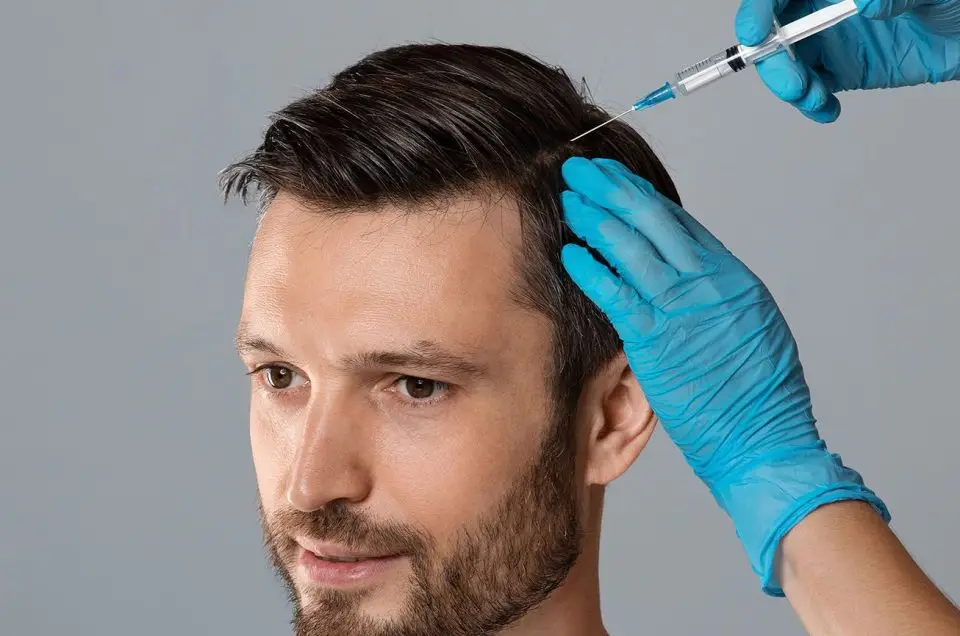
PRP (Platelet-Rich Plasma)
PRP uses the patient’s own growth factors to support follicle function and reduce inflammation.
Best for:
- Early genetic hair loss in men and women
- Thinning rather than complete bald areas
- Patients who want an autologous, drug-sparing option
Typical frequency:
- Induction phase: 3 sessions, 4 weeks apart
- Maintenance: every 4 to 6 months (individualised)
PRP is not a miracle cure, but it is a strong adjunct when patient selection is correct.
Low-Level Laser Therapy (LLLT)
LLLT devices (laser caps/helmets) have evidence for improving density in some patients with genetic hair loss.
Best for:
- Mild to moderate thinning
- Patients consistent with home routines
Typical frequency:
- 3 to 5 times per week depending on device protocol
- Results require months of use
Microneedling for Scalp
Microneedling may improve response when paired with topical treatments, likely by stimulation and enhanced delivery.
Frequency:
- Often weekly or every 2 weeks in protocols
- Should be performed safely to avoid irritation or infection
Exosomes and “Stem Cell” Hair Products
Exosomes are a developing area in regenerative medicine and are widely marketed.
Current reality:
- Early data is promising in some settings
- Evidence quality varies and protocols are not standardised
- Product source and safety standards are crucial
In practice, this is best viewed as an optional adjunct rather than a core prevention strategy until stronger clinical data is available.
Step 5: Scalp Health and Inflammation Control
Inflammation can significantly worsen shedding and reduce treatment response.
Treating the scalp may involve:
- Anti-dandruff or anti-inflammatory medicated shampoos 2 to 3 times per week if indicated
- Avoiding heavy oils and irritating styling products
- Managing seborrheic dermatitis or psoriasis if present
If the scalp is inflamed, focusing only on growth stimulants often fails.
Step 6: Nutrition and Supplements—What Helps and What Does Not
Nutrition matters most when there is deficiency.
What can help:
- Iron supplementation only if ferritin is low
- Vitamin D if deficient
- Protein adequacy
- Correcting B12 or zinc deficiency if confirmed
What often does not help:
- High-dose “hair gummies” without a deficiency
- Biotin in patients with normal biotin status (it rarely causes deficiency)
- Collagen supplements as a primary hair loss treatment
Supplements should be targeted, not random, and excessive supplementation can be counterproductive.
A Practical Prevention Plan: Men vs Women
Men: A Strong Non-Surgical Prevention Strategy
Core approach:
- Confirm diagnosis
- Consider topical minoxidil consistently
- Consider medically supervised DHT management if appropriate
- Add PRP or LLLT if aiming to maximise results
- Maintain scalp health
Maintenance frequency:
- Daily topical routine
- PRP every 4 to 6 months if selected
- Laser cap 3 to 5 times weekly if selected
Women: A Strong Non-Surgical Prevention Strategy
Core approach:
- Confirm diagnosis and investigate triggers with blood tests
- Correct iron, thyroid, vitamin D issues if present
- Consider topical minoxidil if suitable
- Consider hormonal/anti-androgen strategy if indicated and safe
- Add PRP for density support, especially postpartum or early FPHL
- Treat scalp inflammation proactively
Maintenance frequency:
- Daily or near-daily topical routine if prescribed
- PRP induction then maintenance every 4 to 6 months
- Regular follow-up to adjust based on hormonal or life-stage changes
What Does Not Work as a Reliable Prevention Strategy
Patients in Qatar often ask about popular “viral” solutions. The following commonly disappoint:
- Oils alone as a treatment for genetic hair loss
- Random supplements without confirmed deficiency
- Shampoos claiming “regrowth” without medical actives
- One-off PRP sessions without a proper induction plan
- Treating telogen effluvium as if it were genetic hair loss (wrong diagnosis)
How Long Before Results Are Visible?
Most effective prevention plans require patience.
Typical timelines:
- 8 to 12 weeks: reduced shedding may begin
- 3 to 6 months: early density improvement
- 9 to 12 months: best visible results and stabilisation
Consistency is the deciding factor.
Why Patients Choose Dr Ali Soueid in Qatar
At Cosmetic Aesthetic Plastic Surgery in Doha, prevention programmes are built on diagnosis, not trends. Dr Ali Soueid’s approach integrates:
- Careful assessment and investigation of triggers
- Evidence-based medical treatments where appropriate
- Regenerative options such as PRP when indicated
- Scalp health optimisation and long-term maintenance planning
The goal is to stabilise hair loss early and preserve density, particularly in patients who want to avoid surgery.
Final Thoughts
Preventing hair loss non-surgically is possible, but it requires the right diagnosis, realistic expectations, and a structured plan. Men and women differ in both the causes of hair loss and the most effective strategies, which is why personalised assessment matters.
A well-designed prevention programme can stabilise shedding, maintain density, and delay or avoid the need for surgical solutions in many patients.